
Permits & Legal Suites
What Happens If Your Basement Was Finished Without a Permit?
By Kloe Bay · September 8, 2025
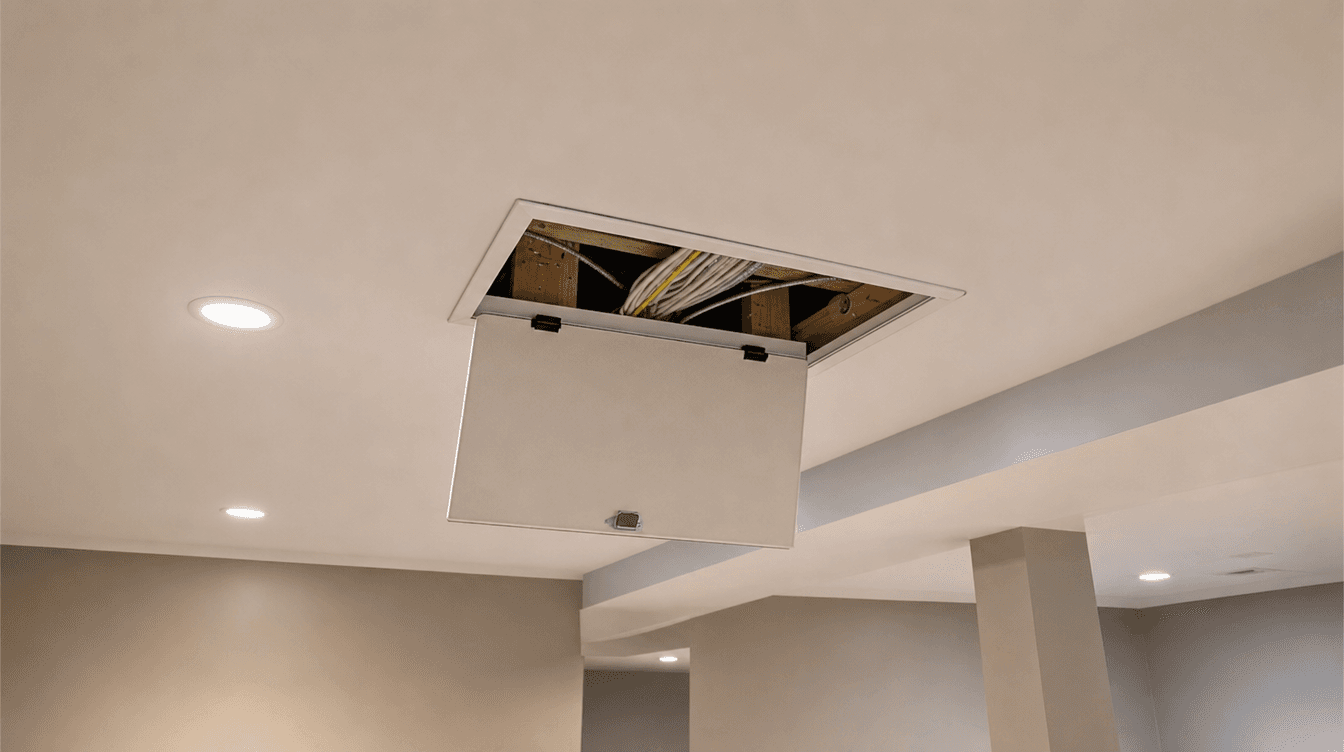
What happens if your basement was finished without a permit? The real risks to resale and insurance, and how to bring unpermitted work into compliance in Calgary.
If your basement was finished without a permit, the two real risks are resale and insurance — an unpermitted basement can slow or shrink a future sale, and it can give your insurer grounds to push back on a claim. The deeper issue is that no independent inspection ever confirmed the work is safe. The reassuring part: unpermitted work can usually be brought into compliance. Here's what it actually means and how it's fixed. (This is general information, not legal advice; we confirm the specifics for your home and current City of Calgary requirements.)
What unpermitted actually means
An unpermitted basement is work — finishing, or a full suite — done without the city's permits and inspections. The core problem isn't the missing paperwork itself; it's that no independent inspector ever verified the parts that keep you safe:
- Electrical work done to code.
- Egress windows sized correctly for escape and rescue.
- Fire and smoke separation, especially in a suite.
- Framing, insulation, and mechanical done properly.
Our guide on whether you even need a permit to finish a basement covers when a permit is required in the first place.
The resale risk
This is where unpermitted work bites hardest. When you sell:
- Buyers and their lawyers ask about permits as a standard part of due diligence.
- Unpermitted space may not count the way you'd expect toward the home's value.
- A deal can stall, drop in price, or fall through if a buyer is uneasy about the work.
Permitted, inspected work is a selling point; unpermitted work is a question mark that works against you.
The insurance risk
If there's ever a claim tied to the basement — a fire, electrical issue, or water damage — and the work wasn't permitted or inspected, your insurer may dispute coverage. Carrying that exposure on your largest asset is a risk most homeowners would rather not live with once they understand it.
How to bring an unpermitted basement into compliance
The good news is that unpermitted work is usually fixable. Depending on how it was built, the path typically involves:
- Assessing what's there against current code.
- Applying for the appropriate permits retroactively where the city allows.
- Opening up sections where needed so an inspector can verify what's behind the finishes.
- Correcting anything that doesn't meet code, then passing inspection.
If it's a suite, the same requirements that define a legal basement suite — separate entrance, egress, fire separation, independent heat — are what it will need to meet. And because suite rules are evolving through 2026, we confirm exactly what applies to your address before recommending a path.
Is it illegal to have a finished basement without a permit?
The work was done without required approval and inspection, which creates real problems even if no one is knocking on your door today. The practical risks show up at resale and with insurance, and the safety of the electrical, egress, and fire separation was never independently verified. It can usually be brought into compliance.
Can an unpermitted basement affect selling my house?
Yes. Buyers and their lawyers ask about permits during due diligence, unpermitted space may not count toward value as you'd expect, and a deal can stall, drop in price, or fall through. Permitted, inspected work is a selling point, while unpermitted work is a question mark that works against the sale.
Can you get a permit for a basement that's already finished?
Often, yes. The typical path is assessing the existing work against current code, applying for permits retroactively where the city allows, opening up sections so an inspector can verify what's hidden, correcting anything that falls short, and passing inspection. The exact route depends on how it was built and current requirements for your address.