
Cost
Does Finishing Your Basement Add Value to Your Home?
By Bo Fric · June 30, 2026
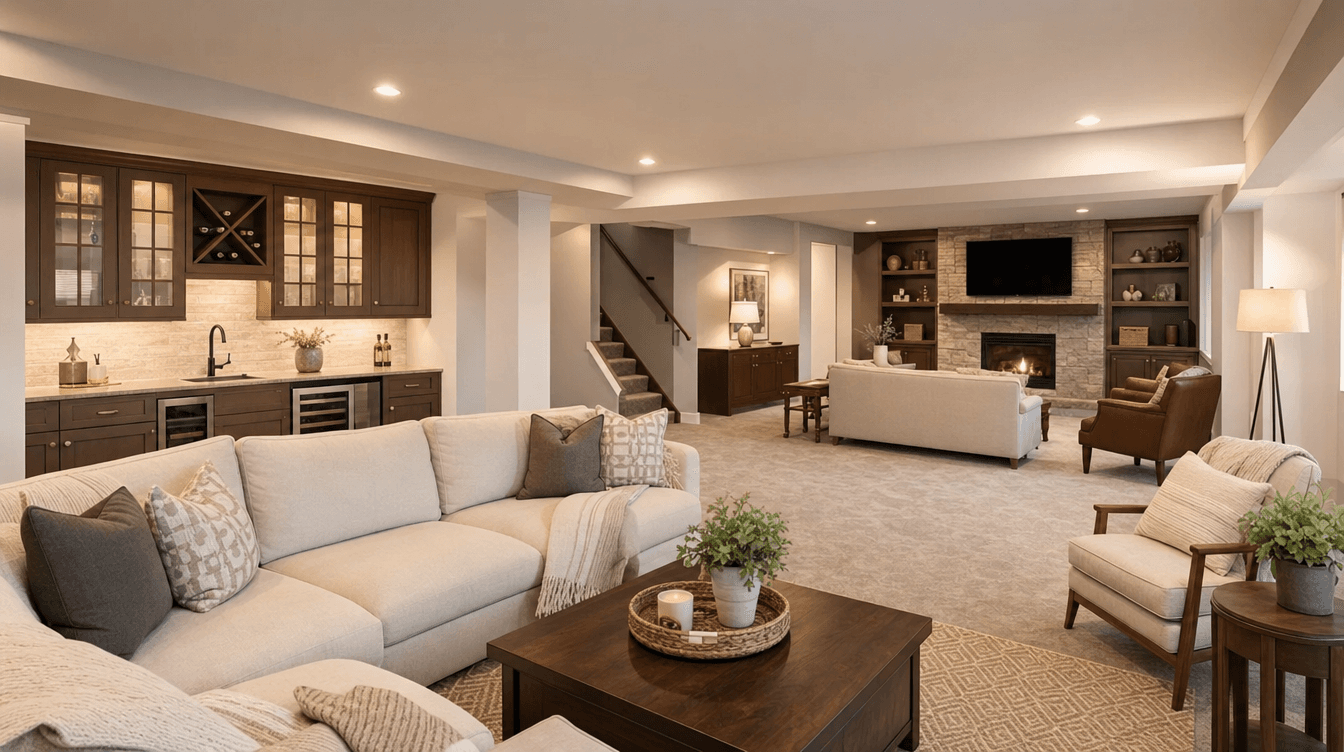
Does finishing your basement add value to your home? How a finished basement affects resale, why permitted and inspected work matters most, and what buyers look for.
Finishing a basement usually adds value to your home — it turns unused space into livable square footage that buyers pay for — but with one crucial condition: the work must be permitted, inspected, and done properly. An unpermitted finish can actually work against you at resale. The value isn't just in the finishes; it's in being able to prove the space was built right. Here's what really drives basement resale value. (This is general information, not a valuation or financial advice; resale depends on your home, market, and the quality of the work.)
Why a finished basement adds value
The core reason is simple: usable living space is what buyers pay for. A finished basement:
- Adds functional square footage — a family room, extra bedroom, bathroom, or legal suite.
- Makes the home more livable day to day, which broadens its appeal.
- Can add income potential if it's a legal rental suite.
A thoughtfully designed basement that genuinely adds living space is far more valuable than a rough, awkward finish.
The big asterisk: permitted and inspected
This is the most important point. A finished basement only adds value if it was done legally:
- Buyers and their lawyers ask about permits as standard due diligence.
- Unpermitted work is a red flag — it introduces risk (safety, insurance, unknown quality), so buyers discount it or walk.
- [Unpermitted space](/blog/basement-finished-without-permit) may not count toward the home's value the way you'd expect.
So a basement finished without permits can actually work against your resale — the opposite of adding value. Permitted, inspected work is what turns the space into an asset a buyer will pay for.
What buyers actually look for
Beyond "is it permitted," buyers respond to:
- Quality and condition — solid finishes, no signs of moisture or shortcuts.
- Useful rooms — a real bedroom (with a legal egress window), a proper bathroom, flexible living space.
- A legal suite, where income potential adds a distinct kind of value.
The value is in being able to say, credibly, "this was done properly."
Why we won't quote you a percentage
You'll see "recoup X%" figures online, but honestly, resale value depends on your specific home, your market, and the quality of the work — a single percentage is misleading. What we can say confidently is that a permitted, inspected, well-built basement is one of the more reliable improvements you can make, because it adds real living space and carries no resale-killing baggage. That's exactly why we build every basement permitted and inspected as part of a full development.
Does finishing a basement add value to a home?
Usually yes — it converts unused space into livable square footage, which buyers pay for, and a legal suite can add income potential. But it only adds value if the work is permitted, inspected, and done properly. An unpermitted finish can work against resale, because buyers see risk rather than value.
Does an unpermitted finished basement hurt resale?
It can. Buyers and their lawyers ask about permits during due diligence, and unpermitted work introduces safety, insurance, and quality unknowns that make buyers discount the space or walk away. Unpermitted square footage may also not count toward value as expected, so it can reduce rather than add to your home's appeal.
How much value does a finished basement add?
There's no reliable single percentage — it depends on your home, your local market, and the quality and legality of the work. Rather than chase a number, the dependable principle is that a permitted, inspected, well-built basement that adds genuinely usable living space is one of the better home improvements you can make.