
Materials & Suppliers
How to Prevent Basement Moisture and Flooding
By Josh Wallace · December 16, 2025
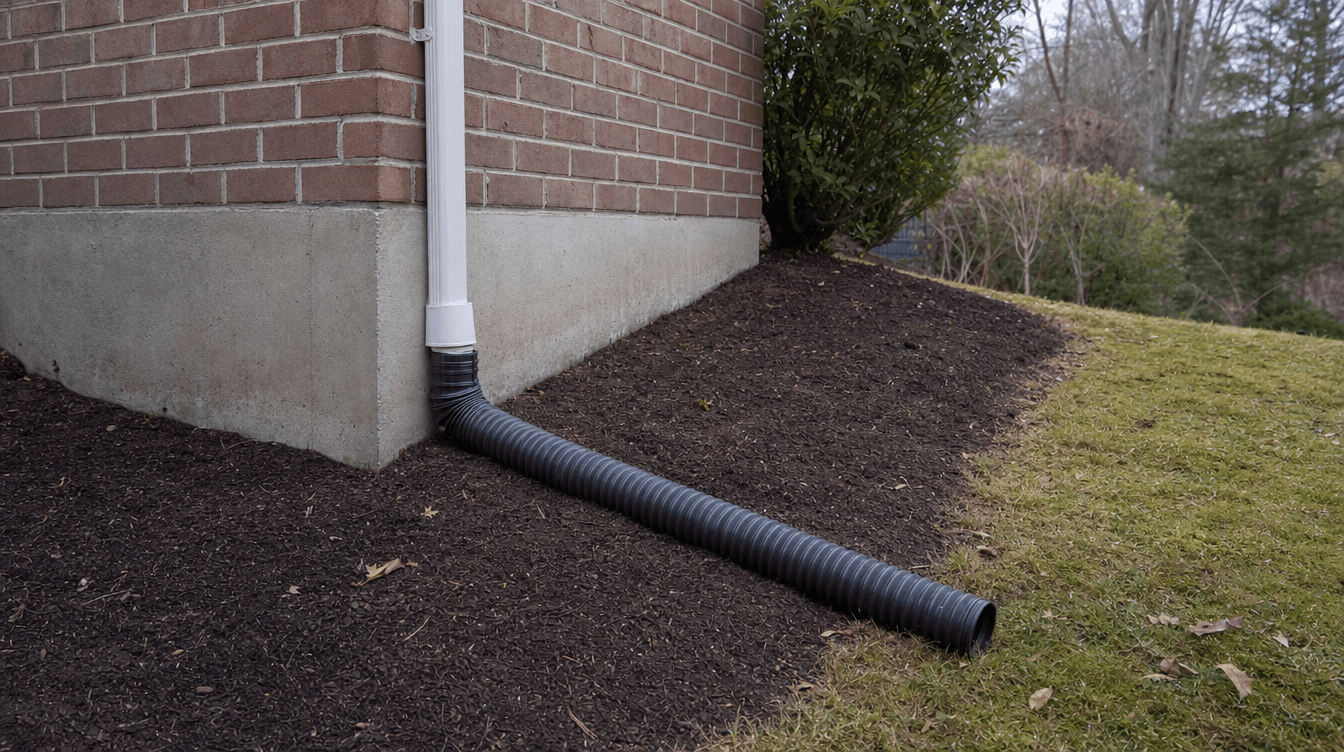
How to prevent basement moisture and flooding — the grading, drainage, and interior steps that keep a basement dry, and why moisture must be solved before you finish.
Preventing basement moisture and flooding comes down to a simple order of operations: manage water outside the house first, back it up with interior systems, build with the right drainage and materials, and never finish over an existing moisture problem. Most basement water issues start outside, which is good news — many are preventable with grading and drainage before you ever touch the interior. Here's how to keep a basement dry. (This is general guidance; your basement's water situation is assessed and addressed for your specific home.)
Start outside: grading and drainage
The majority of basement water problems begin at the surface, so the first defenses are outdoors:
- Grading — the ground should slope away from your foundation on all sides. Soil that settles toward the house funnels water straight to the wall.
- Downspouts and gutters — extend downspouts well away from the foundation so roof water discharges several feet out, not at the base of the wall.
- Window wells — keep them clear and draining, with covers where it makes sense, so they don't fill and leak at an egress window.
Getting the exterior right prevents most interior water before it ever starts.
Back it up inside: the sump pump
Your sump pump is the interior workhorse — it collects groundwater in a pit and pumps it away from the foundation before it rises into the space. Two things make it reliable:
- A working, correctly sized pump at the low point of the basement.
- A battery backup, so it keeps running during the power outages that often accompany the exact storms that cause flooding.
Our guide to sump pumps and floor drains covers how these systems fit together under the slab.
Build it dry: drainage, subfloor, and materials
How a basement is finished decides whether it stays dry:
- Proper interior drainage and a moisture break at the slab.
- A [subfloor](/blog/do-you-need-subfloor-basement) that separates finished flooring from the concrete and its vapor.
- Moisture-tolerant materials near the floor and mechanical areas that shrug off incidental dampness instead of absorbing it.
The rule: fix moisture before you finish
The one thing we never do is finish over an existing water problem. Beautiful flooring and drywall don't fix moisture — they trap it, and you get mold and damage behind the walls. So we assess the water situation first, resolve any issue, and only then finish. It's the same principle that tops the list of common basement mistakes and the first thing to check when buying a home with an unfinished basement. Everything else in a basement development is built on a dry, well-drained base.
How do I stop water from getting into my basement?
Start outside: grade the soil to slope away from the foundation and extend downspouts several feet from the house — that prevents most problems. Inside, keep a working sump pump (ideally with a battery backup), ensure proper drainage, and use a subfloor and moisture-tolerant materials. Resolve any existing leak before finishing.
Do I need a battery backup for my sump pump?
It's strongly recommended. Power outages often happen during the same heavy storms that cause flooding, so a sump pump without a backup can fail exactly when you need it most. A battery backup keeps it pumping through an outage, protecting a finished basement from the worst-case scenario.
Can you finish a basement that has moisture problems?
Only after the moisture is properly resolved. Finishing over a water problem traps it behind drywall and leads to mold and structural damage. The correct order is to assess and fix the water situation first — grading, drainage, sump pump, and any repairs — and then finish around dependable water management.