Planning & DIY
Basement Development for First-Time Renovators: What to Expect
By Bo Fric · September 28, 2025
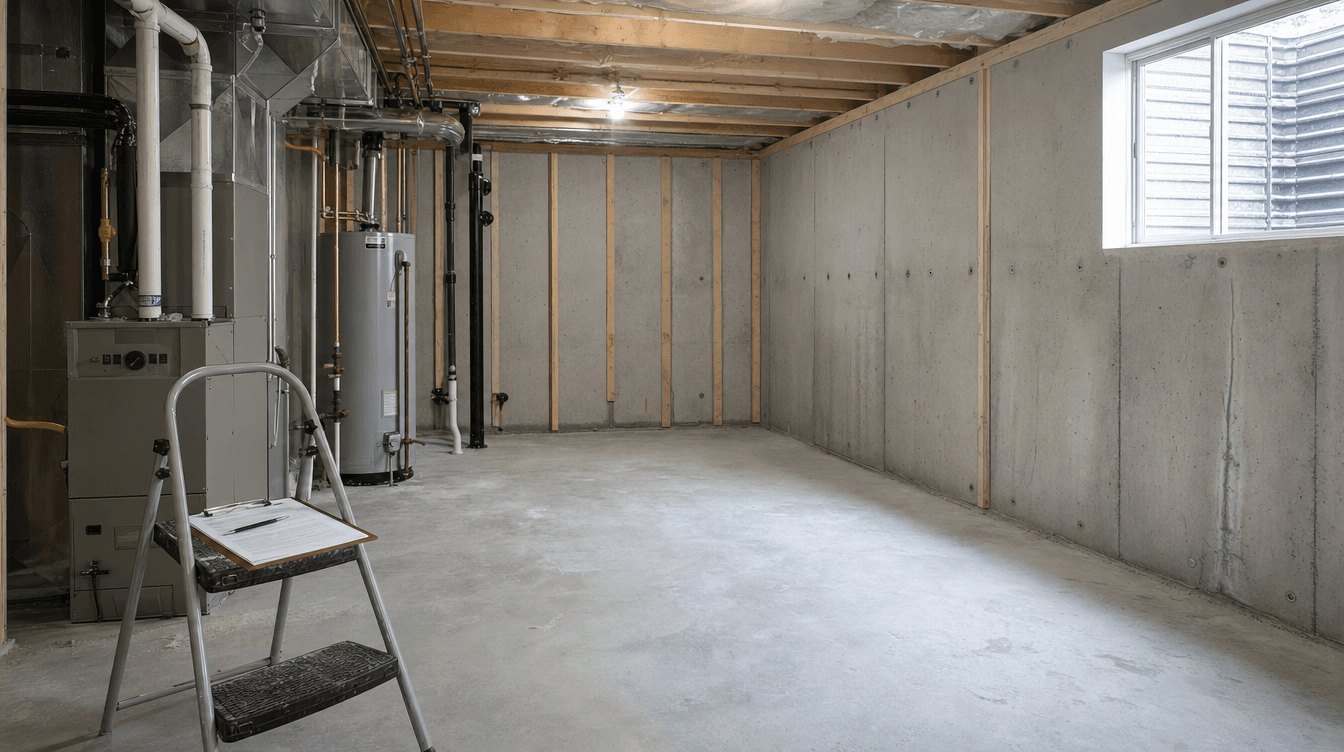
Basement development for first-time renovators — a friendly walkthrough of what to expect, the words you'll hear, and how to feel confident on your first project.
If you've never renovated before, a basement development can feel like a big, unfamiliar step — new words, new decisions, and a lot of money on the line. The good news: it's one of the most beginner-friendly projects out there, and a good builder does the heavy lifting. Here's a friendly walkthrough of what to expect on your first project. (This is general guidance to help you feel prepared; every project is a bit different.)
It's more manageable than it sounds
First, a reassurance:
- A basement is a contained project — it's not tearing up your whole house.
- A full-service builder handles the complexity — permits, trades, scheduling — so you don't have to.
- You make decisions; we handle execution, which is exactly the right split for a first-timer.
You don't need renovation experience — you need a builder who explains things clearly.
The rough shape of the journey
So you know the path ahead:
- Consultation and design — we look at your space and shape a plan, the first consultation.
- Quote and approval — a fixed price you approve before anything starts.
- The build — trades come and go in sequence over the project timeline.
- Walkthrough and move-in — a final walkthrough, then it's yours.
Knowing the shape of it takes most of the mystery away.
Words you'll hear (demystified)
A few terms that trip up first-timers:
- Rough-in — the plumbing/electrical done before walls close up.
- Egress — a code-required exit window for a legal bedroom or suite.
- Change order — a written, priced change if you add scope mid-build.
- Ask about anything — a good builder would rather explain than have you nod along unsure.
How to feel confident
Setting yourself up well:
- Do a little [planning](/blog/how-to-plan-basement-development) — think about how you'll use the space.
- Ask questions freely — there are no silly ones on your first project.
- Choose a builder you trust — licensed, insured, and clear, since your comfort matters as much as the finish.
The takeaway
For a first-time renovator, a basement is a great place to start: it's contained, a full-service builder handles the complexity, the journey follows a clear path, and the jargon is easy to demystify. Go in with a little planning and a builder who explains things, and your first project can be genuinely enjoyable — start with a friendly free quote.
Is a basement a good first renovation project?
Yes — it's one of the most beginner-friendly projects. A basement is contained (you're not tearing up the whole house), and a full-service builder handles the complexity of permits, trades, and scheduling, so your role is mostly making decisions while the builder handles execution. That split is ideal for a first-timer. You don't need renovation experience; you mainly need a builder who explains things clearly and a little planning about how you'll use the space.
What should I expect on my first basement renovation?
The journey follows a clear path: a consultation and design where the plan takes shape, a fixed-price quote you approve before anything starts, the build itself where trades come and go in sequence over the project timeline, and finally a walkthrough and move-in. Knowing that shape ahead of time removes most of the mystery. Along the way you'll hear terms like rough-in, egress, and change order — all easy to demystify, and a good builder will happily explain any of them.
I've never renovated before — will I be overwhelmed?
You shouldn't be, with the right builder. The complexity — coordinating trades, pulling permits, sequencing the work — is the builder's job, not yours. Your part is making decisions and asking questions, and there are no silly questions on a first project. Choosing a licensed, insured builder who communicates clearly makes the biggest difference, because your comfort and confidence matter as much as the finished result. A little upfront planning also helps you feel in control.