
Design & Room Types
Basement Golf Simulator and Sports Room Ideas
By Oscar Fonseca · June 12, 2025
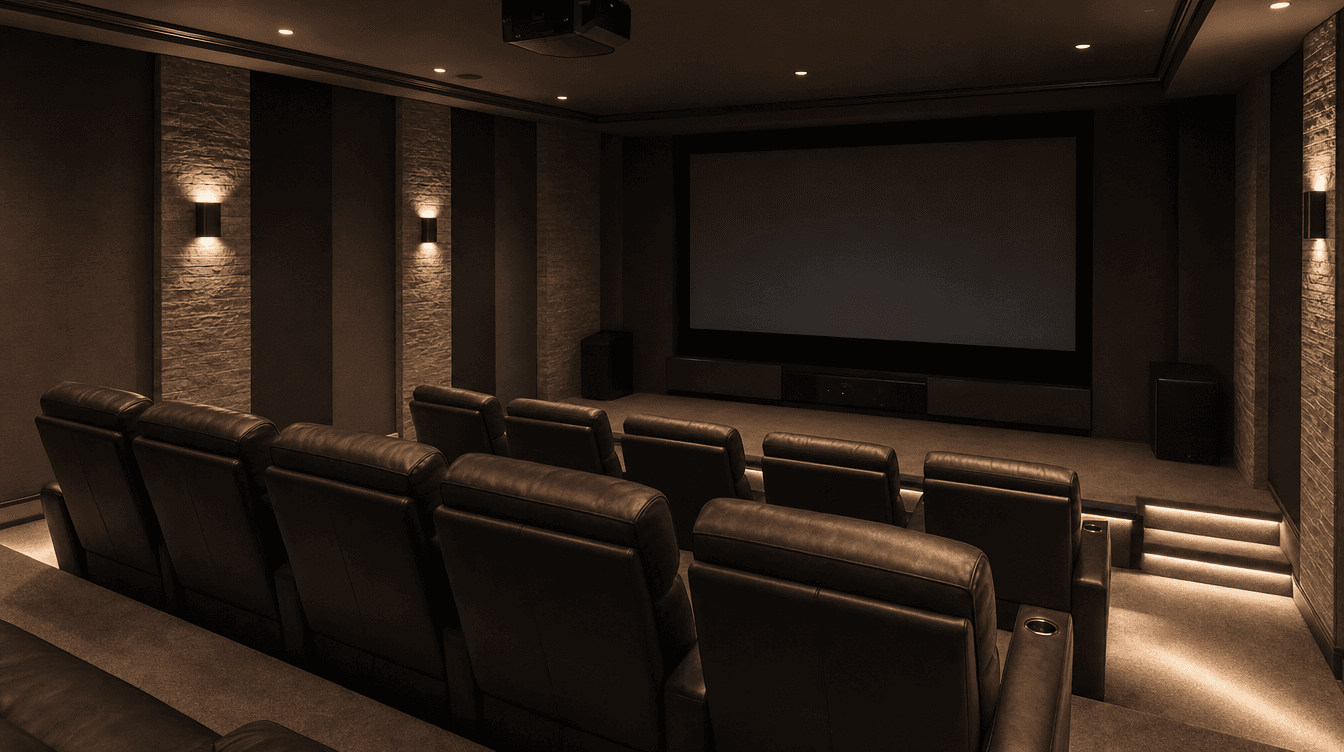
Basement golf simulator and sports room ideas — the ceiling height, space, screen, and lighting that make a below-grade golf or sports room actually work.
A golf simulator is one of the most fun things you can put in a basement — year-round golf in a Calgary winter, plus a screen that doubles as a sports theatre. But it's also one of the most demanding rooms to get right, because it needs real space and height. Here's how to design a basement golf and sports room that plays well. (Design guidance here is general; we assess your specific space and show you the plan first.)
Height is the first question
Before anything else, the ceiling:
- A golf swing needs real overhead clearance — this is the make-or-break factor in a basement.
- We check your [ceiling height](/blog/basement-ceiling-height-code) honestly up front; not every basement suits a full simulator.
- If height is tight, a putting-and-short-game setup or a sports-screen room may be the smarter play.
Getting this answered first saves disappointment later.
Give it enough space
Beyond height, footprint matters:
- Depth for the swing, the hitting area, and the screen — plus room to stand back.
- Space to the sides so a mis-hit doesn't clip a wall.
- A layout that fits it all without crowding, part of thinking through open vs divided space.
Screen, projector, and surfaces
The tech and finishes make it immersive:
- A quality impact screen and projector positioned for a clean picture.
- Durable surfaces — walls and flooring that take the occasional stray ball.
- It doubles as a [home theatre](/blog/basement-home-theatre-ideas) for game day, movies, and the kids.
Light it and wire it right
Practical infrastructure:
- Controlled [lighting](/blog/basement-lighting-no-windows) — bright enough to play, dimmable for screen time, no glare on the projection.
- Enough [power and data](/blog/basement-electrical-101) for the simulator, projector, and sound.
- Good sound and some soundproofing so the whacks and cheers stay downstairs.
The takeaway
A basement golf simulator room lives or dies on ceiling height and space first, then a good screen, durable surfaces, and the right lighting and wiring. Get the height question answered honestly up front and the rest follows — turning the basement into a year-round sports escape, one of the more exciting rooms to plan in a full basement design.
Can you put a golf simulator in a basement?
Often yes — but ceiling height is the make-or-break factor, because a golf swing needs real overhead clearance. That's the first thing to check honestly, since not every basement suits a full simulator. If the height is tight, a putting-and-short-game setup or a sports-screen room can be the smarter play. Beyond height you also need enough depth for the swing and screen plus room to the sides, so a stray shot doesn't clip a wall.
How much space does a basement golf simulator need?
It needs real overhead clearance for the swing, enough depth to fit the hitting area, screen, and room to stand back, and space to the sides for safety. The exact figures depend on the setup, which is why we assess your specific basement first rather than assuming it fits. When the space works, the room does double duty as a home theatre for game day and movies, which makes it one of the most-used rooms in the house.
What else do I need for a basement sports room?
Beyond space and a quality impact screen and projector, you'll want durable wall and floor surfaces that shrug off the occasional stray ball, controlled lighting that's bright to play but dimmable and glare-free for the screen, and enough power and data for the simulator, projector, and sound. A bit of soundproofing keeps the whacks and cheers downstairs. Together those turn a basement into a year-round sports escape.