
Materials & Suppliers
Best Paint for a Basement: A Practical Guide
By Josh Wallace · July 26, 2025
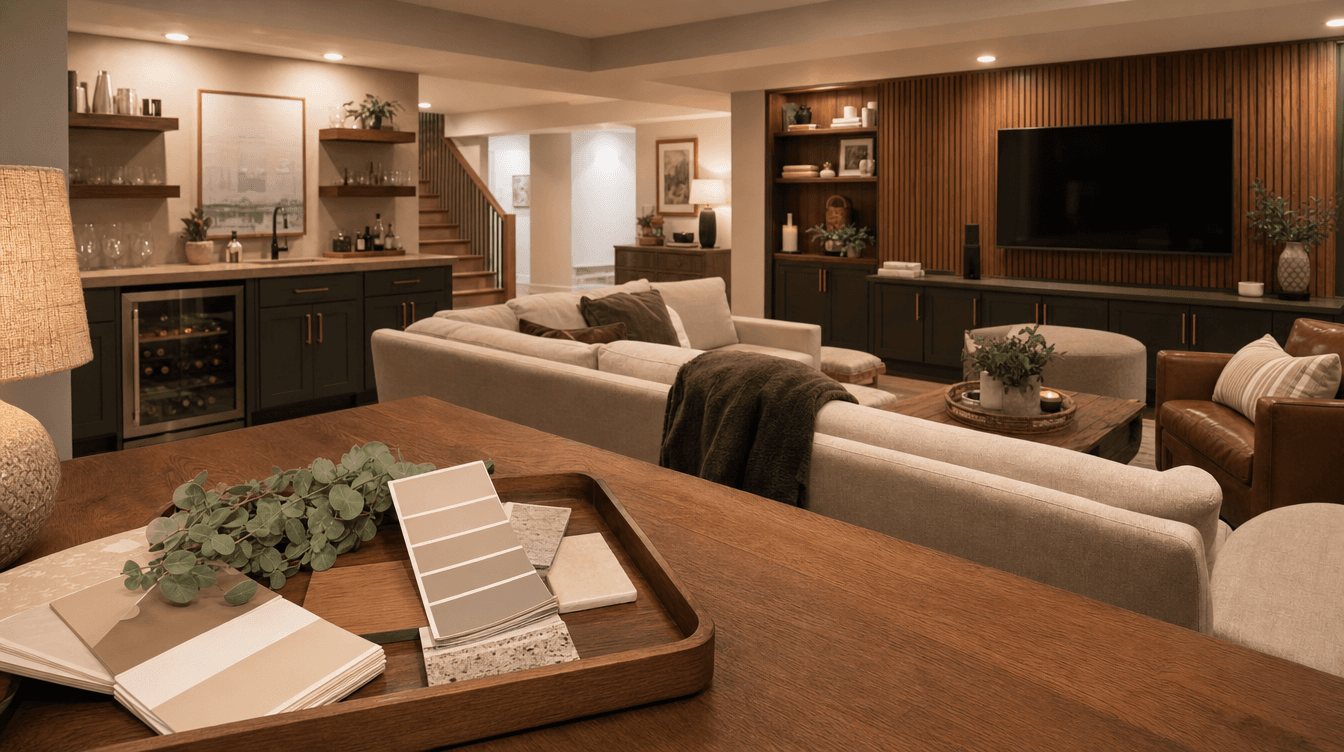
Best paint for a basement — the finishes and colours that handle below-grade conditions, brighten a low-light space, and hold up on walls, ceilings, and trim.
Paint is the finishing layer that makes a basement feel like living space rather than a basement — but below-grade rooms have their own quirks, so the right paint choices matter more than upstairs. Here's a practical guide to painting a basement well. (This is general guidance; specific products and colours are chosen with you during selections.)
Prep and a dry starting point come first
Paint is only as good as what's underneath:
- A properly dry, [moisture-managed](/blog/prevent-basement-moisture-flooding) space before any paint goes on — paint is a finish, never a moisture fix.
- Clean, primed surfaces so the finish bonds and lasts.
- The [assembly done right](/blog/moisture-resistant-basement-materials) behind the drywall, so paint is the last step, not a patch.
Skip this and no paint will look good for long.
Choosing the finish (sheen)
Sheen matters as much as colour:
- Washable finishes — an eggshell or satin on walls wipes clean and resists scuffs in busy family space.
- A durable finish in high-touch and [wet areas](/blog/basement-bathroom-cost) — bathrooms and kitchenettes want moisture-friendly, scrubbable paint.
- Ceilings typically flat, unless you're using paint to help a room feel taller.
Matching the sheen to the room keeps the basement looking fresh longer.
Colour for a low-light space
Basements get less natural light, so colour does heavy lifting:
- Light, warm tones bounce what light there is and open the space up, the same thinking as lighting a windowless room.
- A cohesive palette with the finishes and the floor above.
- Accent colour used deliberately — a feature wall rather than a whole dark room.
Don't forget trim and doors
The details tie it together:
- Trim, [doors](/blog/basement-interior-doors), and casing in a durable finish that stands up to knocks.
- Consistent whites across trim so the whole floor reads as one.
- A tidy paint job — clean lines are a hallmark of a well-finished basement.
The takeaway
The best basement paint job comes down to a dry, well-prepped starting point, the right washable finishes, light warm colours for a low-light space, and durable trim. Paint is the last layer over a properly built, moisture-managed basement — get the build right and the paint makes it shine, the finishing detail on any basement development.
What kind of paint is best for a basement?
For walls, a washable eggshell or satin resists scuffs and wipes clean in busy family space, while high-touch and wet areas like bathrooms want a moisture-friendly, scrubbable finish. Ceilings are usually flat. Just as important, paint goes on over a properly dry, moisture-managed space with clean, primed surfaces — paint is a finish, never a fix for moisture, so the assembly behind the drywall has to be right first.
What colours work best in a basement?
Because basements get less natural light, light and warm tones do the heavy lifting — they bounce what light there is and open the space up, the same thinking behind lighting a windowless room. Keep a cohesive palette with the finishes and the floor above, and use accent colour deliberately, like a single feature wall rather than a whole dark room. Colour choice is one of the biggest levers for making a basement feel bright and inviting.
Can I just paint over basement moisture problems?
No — paint is a finish, not a moisture fix. Any signs of moisture or water have to be resolved and the space properly dried and moisture-managed before painting, and the wall assembly behind the drywall needs to be built right. Painting over a damp surface only hides a problem that will come back through the finish. Get the build and moisture management right first, and paint becomes the last, lasting layer.