
Planning & DIY
How to Tell If Your Basement Is Ready to Be Finished
By Bo Fric · July 18, 2025
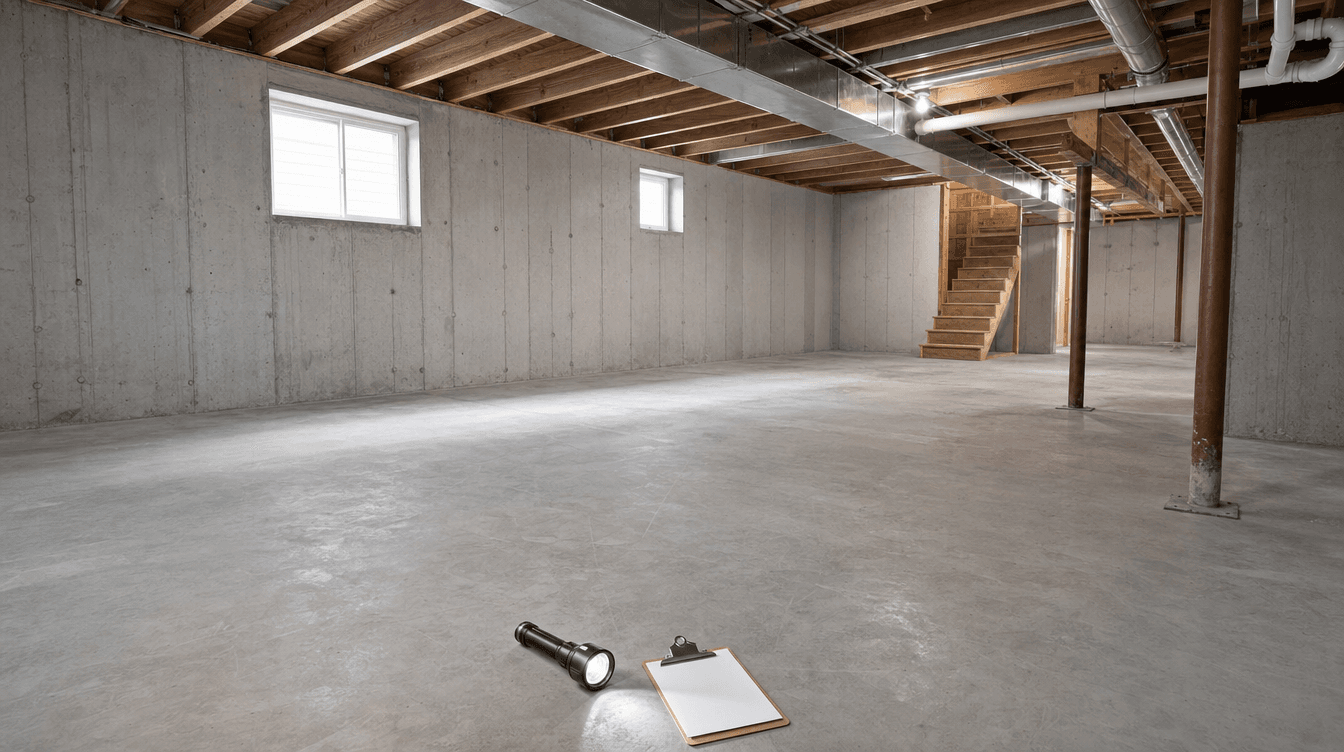
How to tell if your basement is ready to be finished — the moisture, height, and structural checks that matter, and why an honest assessment comes before any design.
Most basements are ready to be finished — but you want to confirm it before you start, not discover a problem halfway through. Readiness comes down to four checks: moisture, ceiling height, structure and mechanicals, and the foundation. An honest assessment of these always comes before any design or finishes. Here's how to tell if your basement is ready. (This is general guidance; your basement is assessed for its specific conditions.)
1. Moisture — the make-or-break check
This is number one by a wide margin. You never finish over a water problem. Look for:
- Staining or a musty smell — signs of past or ongoing moisture.
- Efflorescence (white mineral deposits) on the concrete.
- A history of flooding or a damp feel after heavy rain.
Any of these must be understood and resolved first — the same principle behind preventing basement moisture and flooding. Finishing over moisture traps it and causes mold and damage behind the walls.
2. Ceiling height
Next, is there enough height for comfortable, code-compliant finished space? The key is measuring the finished height — accounting for the subfloor raising the floor and the ceiling finish lowering it — not just the raw slab-to-joist number. Most basements have enough; some need a smart assembly to preserve every inch.
3. Structure and mechanicals
Where the key elements sit shapes what's possible:
- The furnace, hot-water tank, and electrical panel — their location affects the layout.
- [Support posts and bulkheads](/blog/basement-support-posts-bulkheads) — designed around, not ignored.
- Drains and the [sump](/blog/sump-pumps-floor-drains-basement) — which must stay accessible.
None of these are dealbreakers; they're inputs to a good design.
4. The foundation
Finally, a look at the foundation itself — any cracks, settlement, or movement worth addressing before finishing. Most are fine; occasionally something should be handled first, and it's far better to know now.
The honest part: most basements are ready
Here's the reassuring truth: most basements pass these checks and are ready to finish. But if something needs handling first, a good builder tells you straight, before a dollar goes into finishes — that honesty is the whole point of an assessment. It's exactly what a free, no-obligation quote includes, and it's the first real step in our process.
How do I know if my basement can be finished?
Check four things: moisture (any staining, musty smell, efflorescence, or flooding history must be resolved first), ceiling height (enough for comfortable, code-compliant finished space), structure and mechanicals (furnace, panel, posts, drains), and the foundation (cracks or movement). Most basements pass, but an honest assessment should come before any design.
Can you finish a basement that has had water problems?
Only after the water issue is properly resolved. Finishing over moisture traps it behind drywall and causes mold and damage. The correct order is to assess and fix the water situation first — grading, drainage, sump pump, and any repairs — then finish around dependable water management. Never finish over an active or unaddressed problem.
Does my basement have enough ceiling height to finish?
It depends on the finished height, not the raw slab-to-joist measurement, because the subfloor raises the floor and the ceiling finish lowers it. Most basements have enough height for comfortable, code-compliant space, and a smart floor-and-ceiling assembly can preserve inches in a lower basement. It's measured properly during the assessment.