
Permits & Legal Suites
Selling a Home with an Unpermitted Finished Basement
By Kloe Bay · June 26, 2026
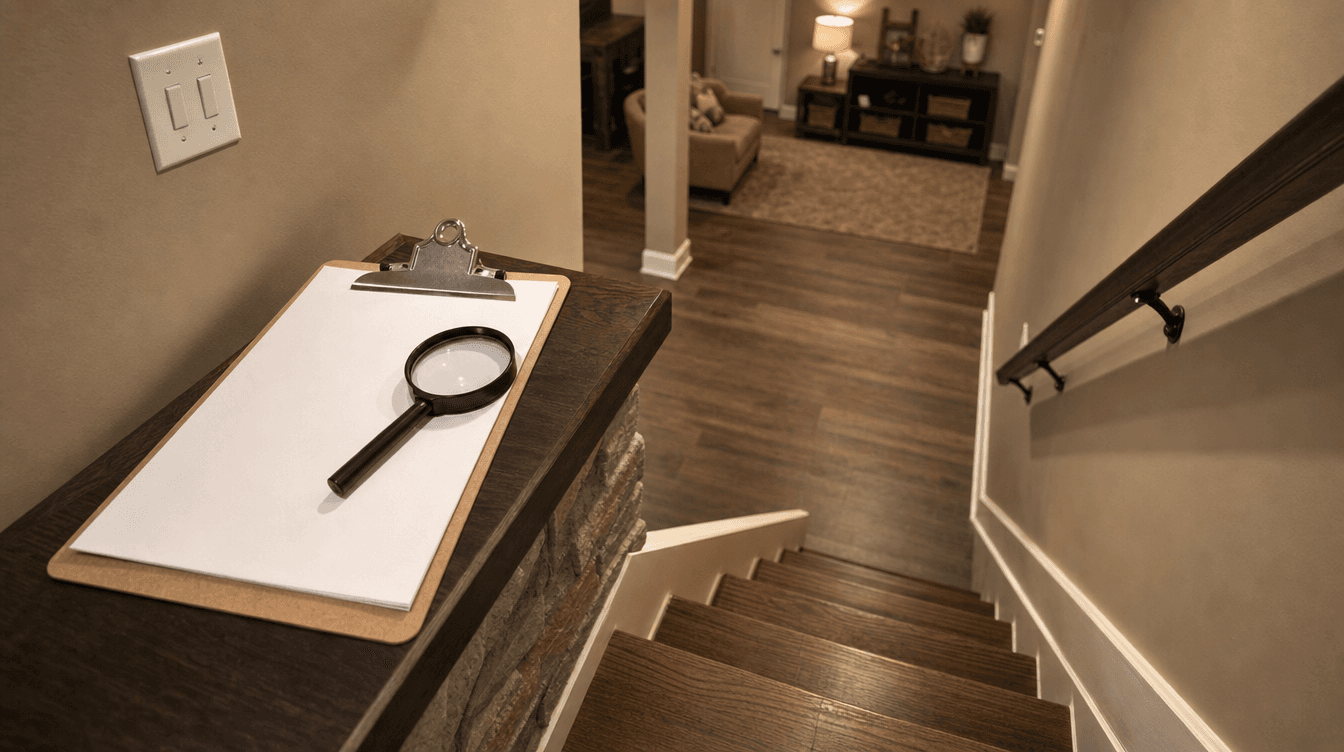
Selling a home with an unpermitted finished basement — how it can affect a sale, why disclosure matters, and the options for making it right before you list.
If your basement was finished without permits — maybe by a previous owner, maybe years ago — it can quietly become a problem the moment you decide to sell. Buyers, their inspectors, and their lenders increasingly look for this. Here's a plain-English overview of how an unpermitted finished basement affects a sale and what your options are. (This is general information, not legal or real-estate advice — confirm your specific situation with the City and your own advisors.)
Why it comes up at sale time
A finish that was invisible for years surfaces during a transaction:
- Buyers and inspectors check whether finished space — especially a suite — was permitted.
- Lenders and insurers may ask questions about non-compliant space.
- What was fine while you lived there becomes a due-diligence item when someone's buying.
The sale is exactly when unpermitted work tends to catch up with a home.
How it can affect the sale
It doesn't always sink a deal, but it can complicate one:
- Disclosure matters — sellers generally have obligations to be honest about known issues; hiding it is its own risk.
- Buyers may ask for a price adjustment, a holdback, or that it be resolved before closing.
- An unpermitted [suite](/blog/buying-home-unpermitted-basement) in particular can affect financing, insurance, and value.
Going in with your eyes open is far better than being blindsided during negotiations.
Your options before listing
You generally have a few paths:
- Bring it into compliance — have the work assessed and permitted retroactively where possible, which is the cleanest outcome.
- Disclose and sell as-is, accepting it may affect price or the buyer pool.
- Get advice first — from the City on what's required and from your real-estate and legal advisors on your obligations.
How we can help
For homeowners who want to make it right, we assess unpermitted finished basements and suites and, where possible, bring them up to a legal, permitted, inspected standard — the same standard we build to new. That turns a liability into a documented, sellable asset. What's achievable depends on the specific space and current City rules, which are evolving through 2026, so step one is always an honest assessment.
The takeaway
An unpermitted finished basement is most likely to cause trouble at sale time, when buyers, inspectors, lenders, and insurers look closely. Your options are to bring it into compliance, disclose and sell as-is, or — best of all — get advice early and make it right before you list. We can assess and, where possible, legalize the work to the permitted standard. (General information, not legal or real-estate advice — confirm with the City and your own advisors.)
Can you sell a house with an unpermitted basement?
Often yes, but it can complicate the sale. Buyers, inspectors, lenders, and insurers increasingly check whether finished space — especially a suite — was permitted, and an unpermitted finish can lead to requests for a price adjustment, a holdback, or resolving it before closing. Sellers also generally have disclosure obligations, so being honest about known issues matters. It doesn't always sink a deal, but going in informed beats being blindsided. Confirm your specifics with the City and your own advisors.
Do I have to disclose an unpermitted finished basement when selling?
Sellers generally have obligations to be honest about known issues, and hiding an unpermitted finish carries its own risk. The specifics of what you must disclose depend on your situation and local rules, which is why this is a conversation for your real-estate and legal advisors rather than something to guess at. As general guidance, disclosure and getting advice early are far safer than concealment — this is general information, not legal advice.
Should I get permits before selling my basement?
Bringing the work into compliance — having it assessed and permitted retroactively where possible — is usually the cleanest outcome, because it turns a liability into a documented, sellable asset. The alternative is to disclose and sell as-is, accepting it may affect price or the buyer pool. What's achievable depends on the specific space and current City rules, which are evolving through 2026, so the first step is an honest assessment. This is general info, not advice — confirm with the City.