
Permits & Legal Suites
Do You Need a Permit for a Basement Suite?
By Kloe Bay · April 14, 2026
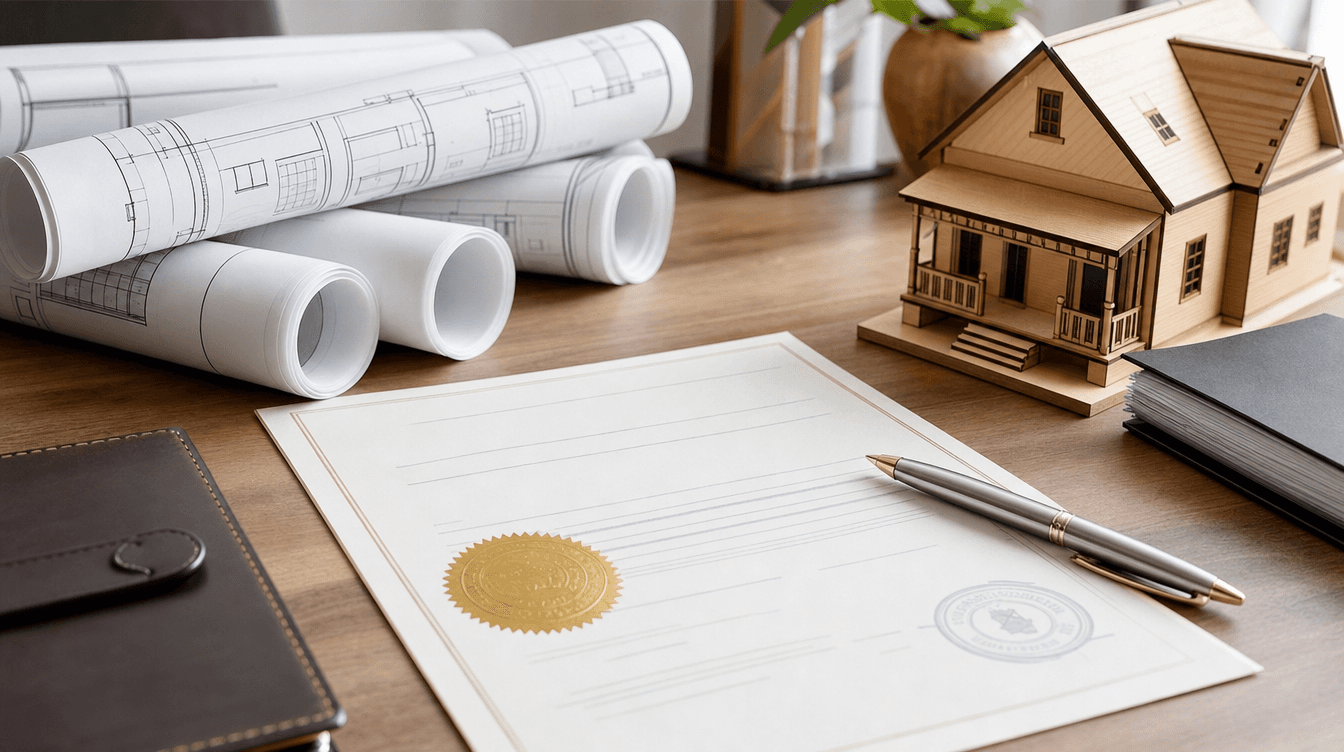
Do you need a permit for a basement suite? Why a legal suite involves more than a standard basement permit, what's typically required, and why to confirm current City rules.
Building a legal basement suite? Permits aren't optional — a suite is a separate dwelling, and it involves more approvals than a standard finished basement. The good news is the process is well-understood, and a good builder handles it for you. Here's a plain-English overview of what's involved. (This is general information, not legal advice; the exact permits and requirements are confirmed with the City for your address, and suite rules are evolving through 2026.)
Yes — and more than a regular basement
A standard finished basement needs permits for the work (framing, electrical, plumbing). A legal suite adds another layer on top, because you're not just finishing space — you're creating a separate legal dwelling. That means the suite has to be approved as a suite, not just as finished rooms.
The two kinds of approval
Suite permits generally split into two categories — the same development-vs-building-permit distinction, applied to a suite:
- The land-use / development side — confirming a suite is allowed on your property (zoning, and any rules about where suites can go). This is the piece most affected by the 2026 rezoning changes.
- The building side — permits for the actual construction to code: the kitchen, egress, fire separation, and the rest.
Both matter, and they're confirmed for your specific address.
Why the permit protects you
Going through the proper suite-permit process is what makes the difference between a legal suite and a risky one:
- It confirms the suite is allowed where you're building it.
- It gets the safety-critical work [inspected](/blog/basement-suite-inspection) — fire separation, egress, electrical.
- It makes the suite genuinely rentable and protects your home's value — unlike an unpermitted "suite", which is the risk you don't want.
Why "confirm current rules" really matters here
Suite permitting is one of the most actively changing areas right now, with rezoning and rule updates rolling through 2026. Whether a suite is permitted on your lot, and exactly what's required, can genuinely change — so rather than rely on last year's information, the requirements are confirmed with the City for your specific address. This is the piece we always check first.
We handle the permits
The practical part: when we build your suite, we manage the permit process — the development side and the building side — and build to pass inspection. You get a legal, permitted, inspected suite without navigating the paperwork yourself, as part of building a suite the right way from day one.
The takeaway
Yes, a basement suite needs permits — and more of them than a regular basement, because it's a separate legal dwelling: a land-use/development approval that it's allowed, plus building permits for the construction. Those requirements are set by the City and changing through 2026, so they're confirmed for your address. We handle the whole process for you.
Do you need a permit for a basement suite?
Yes — and more than a standard finished basement. Because a legal suite is a separate dwelling, it needs approval as a suite, which generally means both a land-use/development approval (confirming a suite is allowed on your property) and building permits for the construction to code. The exact permits are confirmed with the City for your address, since suite rules are changing through 2026.
What permits does a legal suite need?
Generally two categories: the development/land-use side, which confirms a suite is permitted on your lot (the piece most affected by rezoning changes), and the building side, which covers the actual construction to code — kitchen, egress, fire separation, electrical, and so on. Both are required and both are confirmed for your specific address rather than assumed from general rules.
Is it worth getting a permit for a basement suite?
Absolutely — the permit process is what makes a suite legal rather than risky. It confirms the suite is allowed where you're building it, gets the safety-critical work inspected, and makes the suite genuinely rentable while protecting your home's value. An unpermitted "suite" carries real safety, insurance, and resale risk. Doing it properly is the whole point.