
Materials & Suppliers
Baseboards and Trim: The Detail That Makes a Basement Look Finished
By Josh Wallace · May 4, 2026
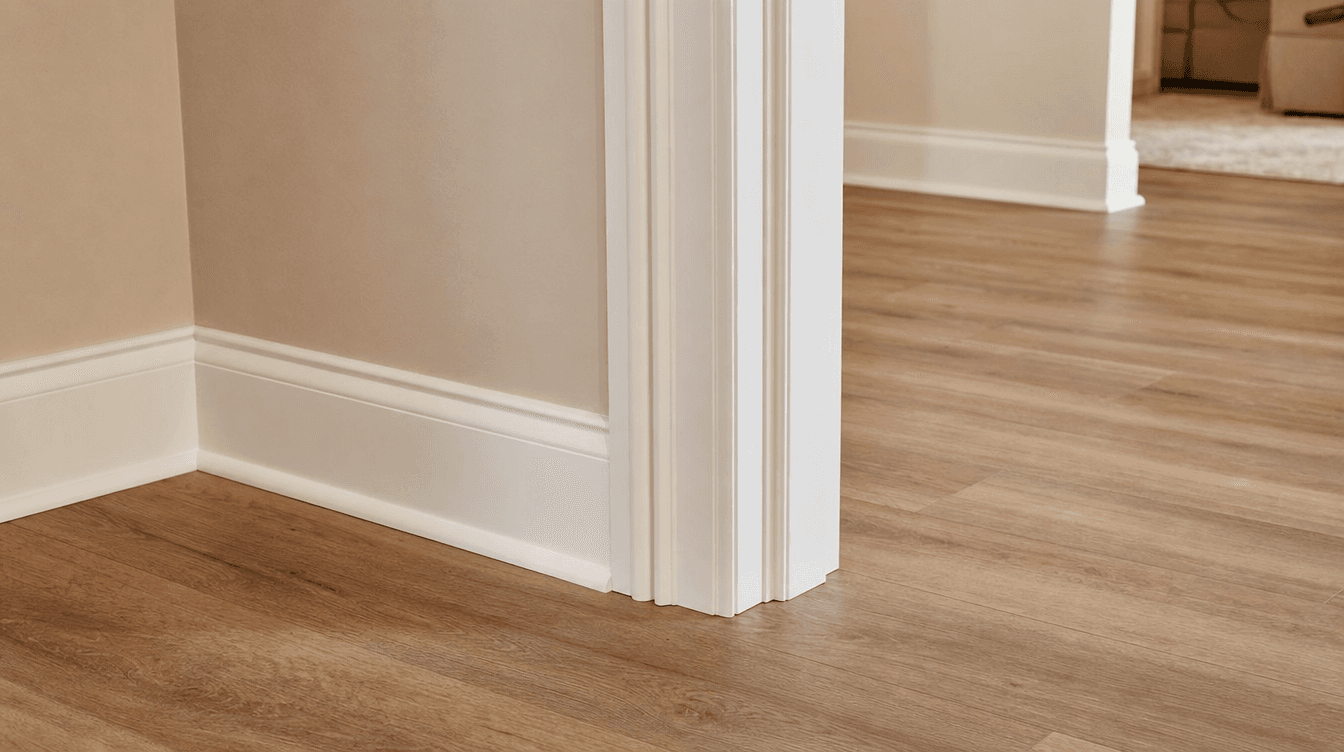
Baseboards and trim are the quiet detail that separates a polished basement from a plain one — the styles, the choices, and why the trim matters more than you'd think.
Nobody walks into a room and says "great baseboards" — but trim is doing more work than any other finish to make a basement look properly built rather than merely done. It's the frame around everything, and getting it right is what separates a polished basement from a plain one. Here's what to know about baseboards and trim. (This is general guidance; we help you choose finishes that suit your space and budget.)
What "trim" actually covers
Trim is the finishing woodwork that frames the room:
- Baseboards where the walls meet the floor.
- Casings around doors and windows (including the egress windows).
- Any millwork — a mantel, built-in edges, or a feature.
Together it's the detail layer that goes on near the end of the build, and it quietly defines the whole feel.
Why it matters more than you'd think
Trim does a few important jobs at once:
- It hides the transitions — the imperfect line where drywall meets floor or a door meets the wall.
- It protects the walls from vacuums, feet, and furniture.
- It sets the style — the single biggest cue for whether a room reads as builder-basic or custom.
Skimp on trim and even a nicely finished basement can look unfinished; get it right and a standard basement looks elevated.
The choices that set the look
A few decisions shape how the trim reads:
- Baseboard height — taller baseboards feel more upscale and substantial; standard heights keep it simple and clean.
- Profile — from flat modern to detailed traditional, the shape sets the era and vibe, tied to your overall finish palette.
- Colour — crisp white is classic; matching the wall or going bold is a modern move.
None of it is expensive on its own, but it's a place where a considered choice pays off visually.
The below-grade note
One practical, basement-specific point: because a basement can see more moisture than upstairs, the material matters. Moisture-tolerant trim materials are often the smart call near the floor, part of the same moisture-resistant thinking used throughout a basement. It's the kind of detail a good builder handles without you having to think about it.
The takeaway
Baseboards and trim are the quiet detail that makes a basement look finished — they hide the transitions, protect the walls, and set the style. The choices (height, profile, colour, material) are small individually but add up to whether the space feels custom or basic. It's worth caring about the trim, and it's part of a properly finished basement development.
Why do baseboards and trim matter in a basement?
Trim does more than it gets credit for: it hides the imperfect transitions where drywall meets the floor or a door meets the wall, protects the walls from wear, and sets the room's style — it's the single biggest cue for whether a space looks custom or builder-basic. Skimping on trim can make an otherwise nicely finished basement look unfinished, while good trim elevates a standard build.
What baseboard height is best for a basement?
It's a style choice. Taller baseboards feel more upscale and substantial, while standard heights keep things simple and clean. The right pick depends on the look you want and how it fits the room's proportions and your overall finish palette. Neither is expensive on its own, so it's worth choosing deliberately for the effect you're after rather than defaulting.
Does basement trim need special material?
It's worth considering. Because a basement can see more moisture than upstairs, moisture-tolerant trim materials are often the smart call, especially near the floor — the same moisture-resistant thinking used throughout a good basement. A quality builder handles this choice as part of finishing the space, so the trim looks great and holds up in the below-grade environment.