Materials & Suppliers
Moisture-Resistant Materials Every Basement Should Use
By Josh Wallace · November 18, 2025
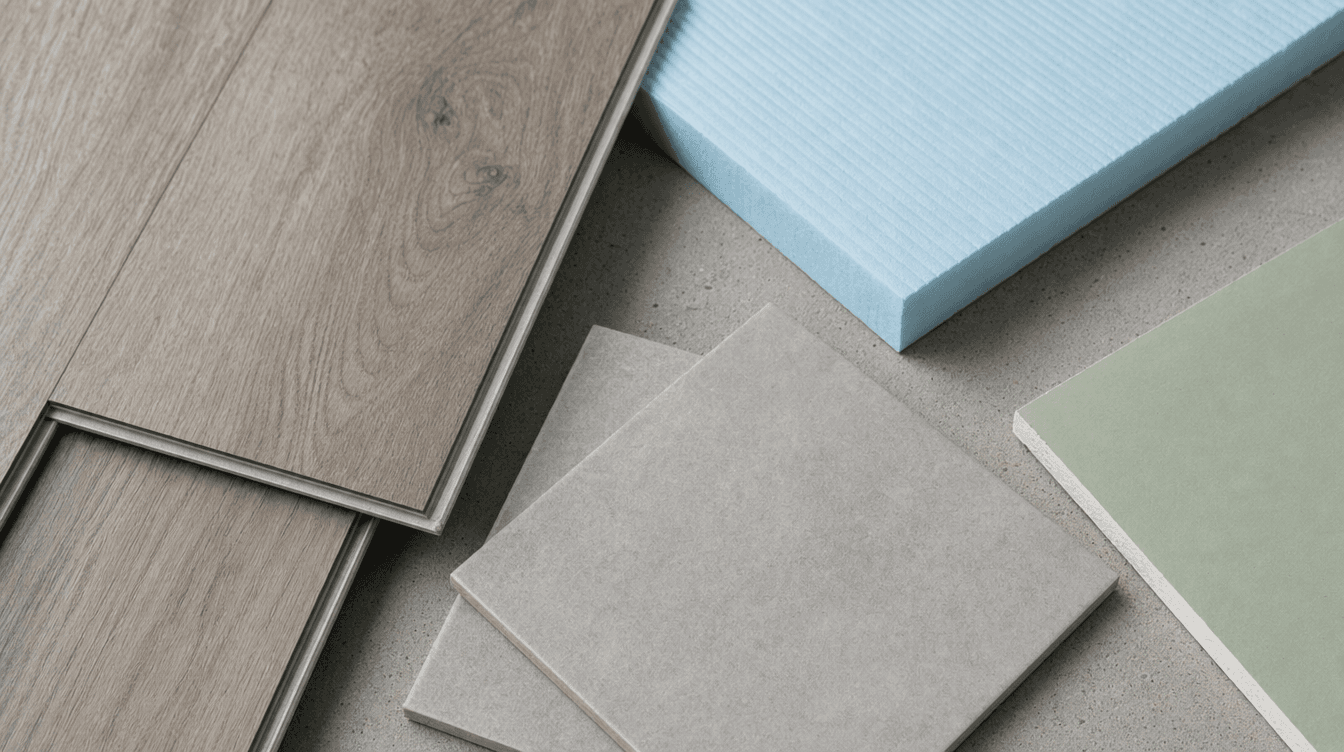
The moisture-resistant materials every basement should use — flooring, drywall, insulation, and trim chosen to shrug off dampness instead of soaking it up.
Every basement should be built with moisture-resistant materials — waterproof flooring, foam insulation, moisture-resistant drywall where it counts, and finishes that don't soak up water — even when the space is perfectly dry today. Because a basement is a below-grade environment, choosing materials that shrug off incidental dampness is a low-cost insurance policy against the day a little moisture shows up. Here's what to use and what to avoid. (This is general materials guidance; your basement's specifics are confirmed during design and build.)
Flooring: waterproof by default
Flooring sits closest to the concrete, so it's the most important material choice:
- Luxury vinyl plank (LVP) — the basement workhorse: waterproof, durable, warm-looking, and unbothered by a little water.
- Tile — another excellent, water-tolerant option, especially in bathrooms and mechanical areas.
- Avoid solid hardwood, which reacts badly to moisture and humidity swings.
Our guide to the best basement flooring for Calgary goes deeper, and the flooring works together with the subfloor beneath it.
Insulation: foam, not bare fibreglass
For the walls, foam insulation (rigid or spray) is the moisture-smart choice against the foundation, because it resists moisture and won't grow mold or sag if it ever gets damp — unlike fibreglass batts thrown straight against concrete, which is a classic basement mistake.
Drywall and walls
Use moisture-resistant drywall in the areas that warrant it — near bathrooms, mechanical rooms, and anywhere close to the floor. The goal throughout is to favour materials that don't feed mold if humidity rises.
The small stuff counts too
Details matter in a basement:
- Keep organic, absorbent materials off the concrete and up from the floor where practical.
- Choose trim and millwork that tolerate humidity.
- Detail the mechanical room with water-tolerant finishes near the sump pump and floor drains.
Materials don't replace water management
One important caveat: moisture-resistant materials are insurance, not a substitute for proper waterproofing and drainage. You still handle the water first — grading, drainage, and a working sump pump — and then build with resilient materials on top. Together, they're what make a basement development last.
What flooring is best for a damp or below-grade basement?
Luxury vinyl plank is the top choice — it's waterproof, durable, and looks warm, so a little water won't ruin it. Tile is also excellent, especially in bathrooms and mechanical areas. Solid hardwood should be avoided because it reacts badly to moisture and humidity. All of it works best over a proper subfloor.
What insulation resists moisture in a basement?
Foam insulation — rigid foam or spray foam — against the foundation, because it resists moisture and won't grow mold or sag if it gets damp. Fibreglass batts placed directly against bare concrete are the material to avoid, since they can trap moisture and support hidden mold.
Do moisture-resistant materials mean I don't need waterproofing?
No. Moisture-resistant materials are an insurance policy, not a replacement for water management. You still handle the water first with proper grading, drainage, and a working sump pump, then build with resilient flooring, foam insulation, and moisture-tolerant finishes on top. The two work together to keep a basement dry and durable.