
Materials & Suppliers
Choosing Countertops for a Basement Bar or Kitchenette
By Josh Wallace · October 7, 2025
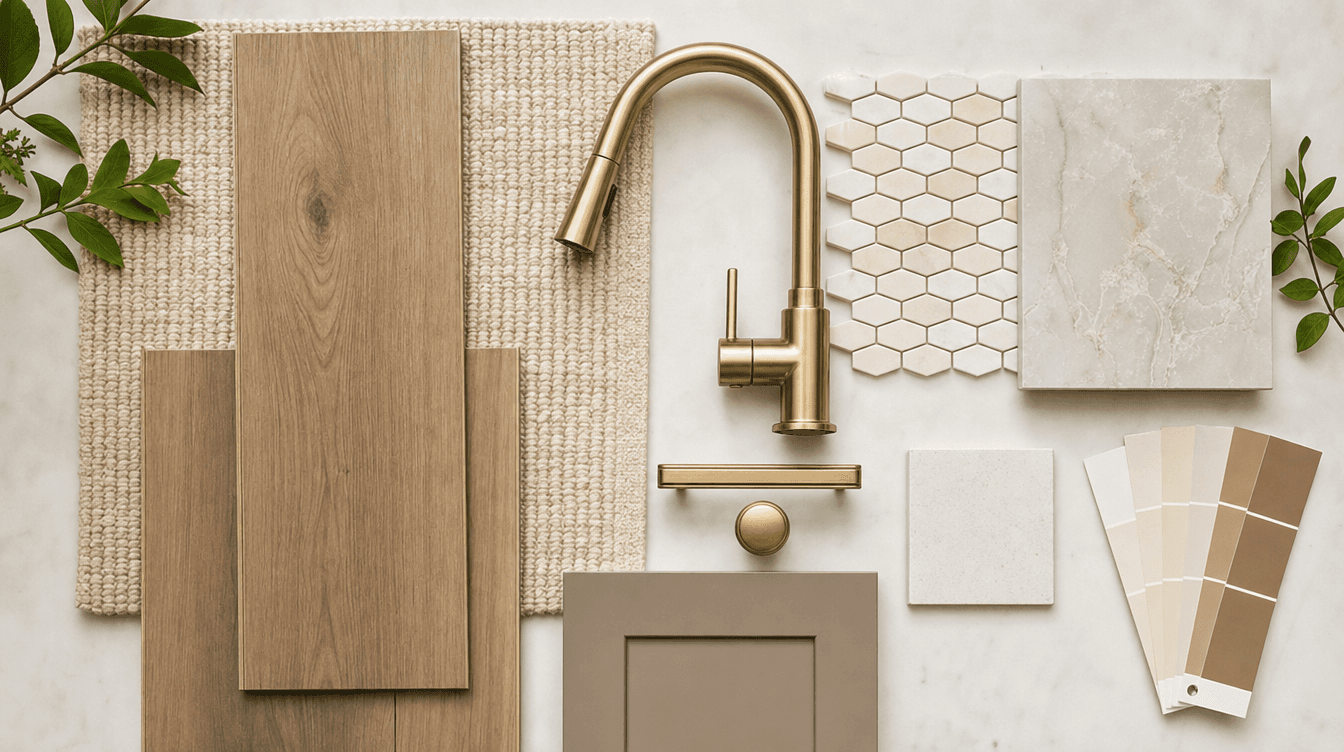
Choosing countertops for a basement bar or kitchenette — how the main material options compare on durability, moisture, and cost, and how to pick for the space.
If your basement includes a bar or kitchenette, the countertop is the surface you'll see and touch most — and the options range widely in look, durability, and cost. Picking well means matching the material to how you'll actually use the space. Here's a practical guide to basement countertops. (This is general guidance; specific materials are chosen with you during selections.)
The main material options
The common choices, in plain terms:
- Quartz (engineered stone) — durable, low-maintenance, non-porous; a popular all-rounder.
- Granite and natural stone — beautiful and tough, though it needs occasional sealing.
- Laminate — the budget-friendly option, hugely improved in looks, easy to replace.
- Butcher block / wood — warm and characterful, but needs care around moisture.
Each has a place; the right pick depends on your budget and how hard the surface will work.
Match the material to the use
Think about what the counter actually does:
- A wet bar or [kitchenette](/blog/basement-bar-kitchen-cost) with a sink wants a moisture-friendly, non-porous surface.
- A show-piece entertaining bar might justify a stone splurge as the room's centrepiece.
- A hard-working family space favours durable, forgiving, easy-clean surfaces.
The use decides the material more than the trend does.
Mind the basement factors
A couple of below-grade considerations:
- Moisture tolerance matters more in a basement — favour surfaces that handle humidity well, in line with moisture-resistant material thinking.
- Getting it downstairs — big, heavy stone slabs have to fit down the stairs, a real practical factor.
- Coordinating with the [finishes](/blog/basement-colors-finishes) and cabinetry so the bar ties into the room.
Balance cost and impact
Where to spend:
- A small bar top is a spot where a nicer material is affordable because the area is small.
- Laminate now, upgrade later is a legitimate path if the budget's tight, the basic-vs-high-end flex.
- Edge profiles and details add polish without changing the material.
The takeaway
Choosing a basement countertop comes down to matching the material — quartz, stone, laminate, or wood — to how the space will actually be used, respecting moisture and the get-it-downstairs reality, and balancing cost against impact. A small bar top is often where a nicer surface is affordable, making it a satisfying detail to get right in a basement development.
What's the best countertop for a basement bar?
It depends on use. Quartz is a popular all-rounder — durable, low-maintenance, and non-porous, which suits a wet bar with a sink. Granite and natural stone are beautiful and tough but need occasional sealing, laminate is budget-friendly and much improved in looks, and butcher block is warm but needs care around moisture. Because a bar top is usually a small area, it's often a spot where a nicer material becomes affordable, so match the pick to how hard the surface will work.
Does countertop material matter more in a basement?
Moisture tolerance matters more below grade, so surfaces that handle humidity well are worth favouring, in line with moisture-resistant material thinking generally. There's also a practical wrinkle: big, heavy stone slabs have to physically fit down the basement stairs, which can rule some options in or out. Beyond that, coordinating the counter with the cabinetry and finishes so the bar ties into the room is what makes it feel built-in rather than added on.
Is laminate okay for a basement kitchenette?
Yes — modern laminate has improved hugely in looks, is budget-friendly, and is easy to replace, which makes it a legitimate choice, especially if the budget's tight. A common path is laminate now with an upgrade later. For a wet area with a sink you'll still want a moisture-friendly, well-sealed installation. Ultimately it's a fair trade-off between cost and impact, and a small bar top is exactly where you can flex either way.