
Permits & Legal Suites
Buying a Home With an Unpermitted Finished Basement
By Kloe Bay · October 14, 2025
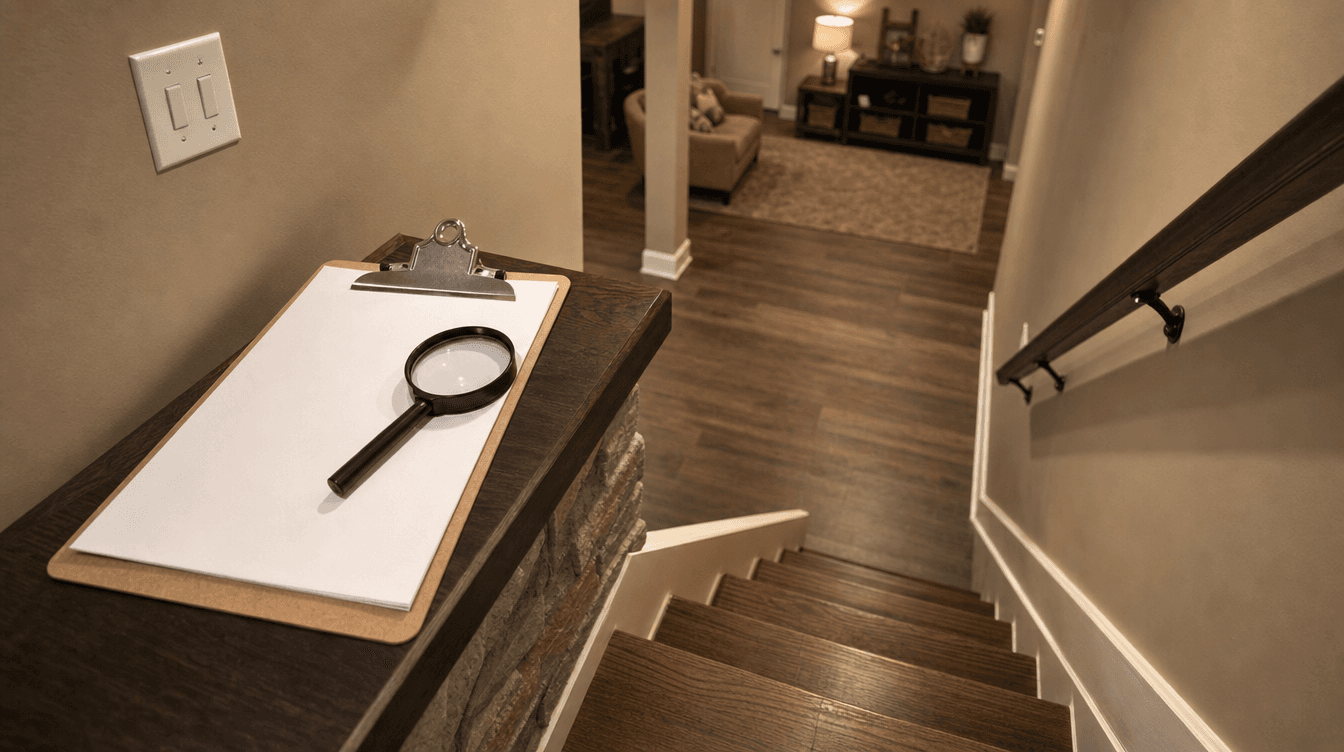
Buying a home with an unpermitted finished basement — what the risks are, what to check before you buy, and how the situation can often be resolved.
House-hunting and found a place with a finished basement — but the work was done without permits? It's a common situation, and it's not automatically a dealbreaker. It does mean going in with eyes open and knowing what to check. Here's a plain-English look at the risks and how it's often resolved. (This is general information, not legal or real-estate advice; get a professional inspection and confirm details with the City and your own advisors.)
Why unpermitted work matters
A basement finished without permits carries real, practical risks for a buyer:
- You can't be sure it's safe — the hidden work (electrical, structural, moisture) was never independently inspected.
- Insurance and resale can be complicated — an unpermitted space is a question mark that can resurface when you eventually sell.
- The City could require changes — unpermitted work isn't automatically grandfathered, and you'd inherit the responsibility.
None of this means "don't buy" — it means understand what you're taking on.
What to check before you buy
If you're seriously considering the home, do your homework:
- Get a thorough home inspection — ideally one that flags visible signs of unpermitted or substandard work.
- Ask for documentation — any permits, or an honest disclosure that there aren't any.
- Check with the City about the property's permit history for your specific address.
- Factor it into your offer — the cost or effort to make it right is a real negotiating point.
This is exactly the kind of due diligence a good realtor and inspector help with.
The extra layer if it's a "suite"
If the unpermitted basement is being marketed as a rental suite, take extra care. An unpermitted or illegal suite can't be assumed to be a legal, rentable unit just because it has a kitchen and a separate door — legality is a City determination. Renting it out as-is carries its own risks, and the rules are evolving through 2026, so it's a "confirm with the City" situation.
The good news: it's often fixable
Here's the reassuring part — an unpermitted basement usually can be brought up to standard. Depending on what's there, that can mean an assessment, some corrective work, and getting the proper permits and inspections after the fact. We help homeowners legalize and correct existing basements and suites, turning a question mark into a properly documented, safe, valuable space.
The takeaway
An unpermitted finished basement is a caution, not necessarily a dealbreaker — the risks are real (safety, insurance, resale, City requirements), so inspect thoroughly, confirm the permit history, and factor it into your offer. And if you do buy it, the situation can usually be assessed and corrected. When in doubt, get it looked at — we're glad to help evaluate what it'd take to make it right. Learn more on our legal suite page.
Should I buy a house with an unpermitted finished basement?
It's not automatically a dealbreaker, but go in informed. Unpermitted work means the hidden electrical, structural, and moisture work was never independently inspected, and it can complicate insurance and your own future resale. Get a thorough inspection, check the property's permit history with the City, and factor the cost of making it right into your offer. This is general info, not advice — consult your own professionals.
What are the risks of an unpermitted basement?
Mainly three: safety (the work wasn't inspected, so you can't be sure it's sound), insurance and resale complications (an unpermitted space is a question mark that resurfaces when you sell), and the possibility the City requires changes since unpermitted work isn't automatically grandfathered. If it's marketed as a rental suite, add the risk that it may not be a legal, rentable unit at all.
Can an unpermitted basement be legalized after buying?
Often, yes. Depending on what's there, an unpermitted basement can usually be brought up to standard — an assessment, any corrective work, and obtaining the proper permits and inspections after the fact. It turns a question mark into a documented, safe, more valuable space. The exact path depends on the specific basement and current City requirements, so it's worth having it professionally evaluated.