Cost
How to Save Money on a Basement Development (Without Cutting Corners)
By Bo Fric · September 12, 2025
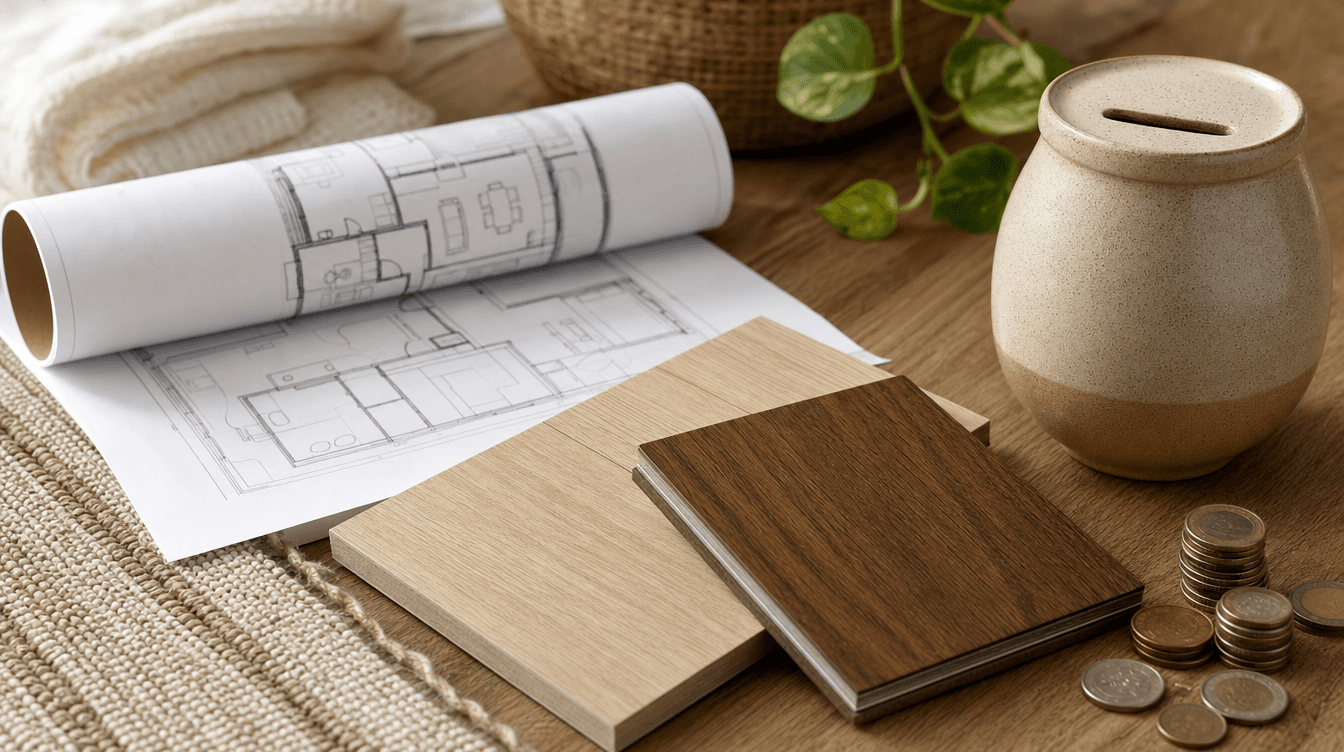
How to save money on a basement development without cutting corners — the smart places to trim, the places you never should, and how to stretch the budget wisely.
Everyone wants a beautiful basement for less — the trick is knowing where to save. Some savings are smart and cost you nothing in quality; others are false economy that comes back to bite you. Here's how to stretch a basement budget wisely, without cutting the corners that matter. (Costs vary by project; your quote is the real figure.)
Save on finishes, not on the bones
The single best rule: the structure and hidden systems are the same at every budget — so save on the visible finishes, never on what's behind the walls.
- Smart to trim: flooring tier, cabinetry level, tile choices, light fixtures — the finish level that dials cost up or down.
- Never cut: waterproofing, insulation, electrical, and permits — the things you can't see and can't easily fix later.
A standard-finish basement built right beats a fancy one built badly, every time.
Prioritize what you'll actually use
Spend where you live:
- Put the budget in the rooms you'll use daily and go simpler on the rest.
- Phase the extras — you can rough-in for a future bar or bathroom now and finish it later.
- Skip the features you won't use rather than building them cheaply.
Matching the spend to your real life is where the biggest savings hide.
Keep the scope clear to avoid change orders
A surprising amount of "over budget" comes from changing your mind mid-build:
- Decide the layout and selections up front, during design, when changes are free.
- A clear, [fixed-price](/blog/whats-included-in-a-basement-quote) quote means no drift.
- [Change orders](/blog/basement-change-orders) mid-build cost more than deciding early.
Nailing down the plan before breaking ground is one of the cheapest ways to save.
Use the money tools available
Saving isn't only about spending less — it's about smart cash flow:
- $0 deposit to start, so nothing's tied up early.
- [Financeit financing](/blog/basement-financing-calgary) if you'd rather pay after completion over 5–10 years, fully open with no prepayment penalty.
The false economies to avoid
The "savings" that cost you later:
- Skipping permits — a resale and safety risk, not a saving.
- The cheapest quote without understanding why it's cheap.
- DIYing the trades you're not qualified for.
These are exactly the traps a quote-red-flags mindset helps you avoid.
The takeaway
Save on the finishes and the features you won't use, keep the scope clear to avoid change orders, and use the $0-deposit and financing options — but never save on waterproofing, insulation, electrical, or permits. That's how you get a basement that's easy on the budget and still built to last, all spelled out in a transparent quote.
How can I save money finishing my basement?
Save on the visible finishes — flooring tier, cabinetry, tile, and fixtures — and on features you won't actually use, while keeping the layout and selections decided up front to avoid costly change orders. Never save on the hidden essentials like waterproofing, insulation, electrical, or permits. A clear fixed-price quote and options like $0 deposit and financing help stretch the budget.
Where should you never cut costs on a basement?
On the things behind the walls that you can't see and can't easily fix later: waterproofing and moisture management, insulation, electrical, and permits. Cutting these is a false economy — it saves a little now but risks expensive damage, safety issues, or resale problems down the road. The structure and hidden systems should be done right at every budget level.
Does a cheaper basement mean lower quality?
Not necessarily. A standard-finish basement built correctly is excellent value — the structure and hidden systems are the same as a high-end build; only the visible finishes differ. Lower quality comes from cutting the hidden essentials or skipping permits, not from choosing standard finishes. The goal is to save on finishes and features, never on the bones.