
Cost
What Actually Drives the Cost of Finishing a Basement?
By Bo Fric · September 1, 2025
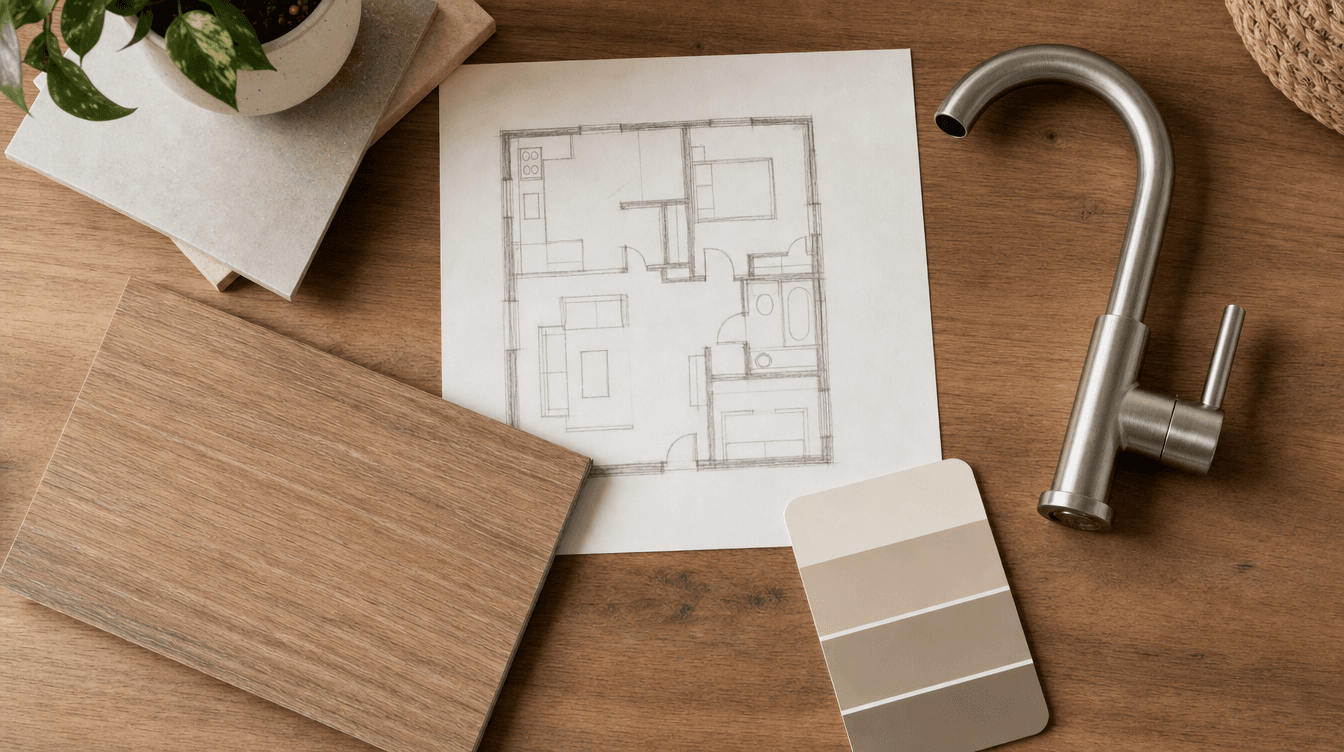
What actually drives the cost of finishing a basement — the size, the bathrooms and kitchens, the finish level, and the structural surprises that move the number.
Two basements the same size can land at very different prices, and it's rarely random. A handful of factors do most of the work of moving a basement's cost up or down. Understanding them helps you see why your quote is what it is — and where your own choices have the biggest impact. Here's what actually drives the number. (Costs vary by project; your quote is the real figure.)
1. Size — but not the way you'd think
Square footage matters, but not linearly. Our pricing starts from a base package and then adjusts for size — larger basements cost more, but the rate tapers because a lot of the cost is in the fixed elements (the systems, the wet areas) rather than raw floor area. So a bigger basement isn't proportionally more expensive, and a smaller one isn't proportionally cheaper. Size sets the starting point; the choices below move it.
2. Wet areas: bathrooms, kitchens, bars
The single biggest cost drivers are the rooms with plumbing:
- A [bathroom](/blog/basement-bathroom-cost) adds plumbing, electrical, ventilation, and finishes in a small space — a lot of trades per square foot.
- A [bar or kitchen](/blog/basement-bar-kitchen-cost) adds more of the same.
- A [legal suite](/legal-basement-suite-calgary/), with its own kitchen and bathroom, is the biggest step up.
If you're comparing quotes, the number of wet areas explains a lot of the difference.
3. Finish level
The same room can be built at very different finish tiers:
- Standard finishes keep it clean, comfortable, and affordable.
- Premium finishes — higher-end flooring, tile, cabinetry, and fixtures — cost more but deliver a more luxurious result.
The structure is the same at every level; the finishes are where you dial the budget up or down.
4. Structural and site realities
Some drivers aren't about choices — they're about the space itself:
- [Egress windows](/blog/egress-window-installation) cut into the foundation for bedrooms.
- Structural changes like moving support posts or bulkheads.
- Moisture or readiness issues that have to be resolved first.
A good builder flags these up front rather than as surprises later.
The takeaway
Basement cost is driven by size, wet areas, finish level, and structural realities — and most of the variation you control is in the wet areas and the finishes. The best way to see how it applies to your home is a fixed, itemized [quote](/calgary-basement-development/cost/), where every one of these drivers is spelled out rather than hidden in a lump sum.
What makes one basement cost more than another?
Mostly four things: the size (which sets the starting point), the number of wet areas like bathrooms, bars, and kitchens (the biggest drivers because they add plumbing, electrical, and ventilation), the finish level you choose, and structural realities like egress windows or moving support posts. Two same-size basements can differ a lot based on how many of these apply.
Does a bigger basement cost proportionally more?
Not quite — cost doesn't scale linearly with size. Our pricing starts from a base package and adjusts for size, but the rate tapers because much of the cost lives in fixed elements like the systems and wet areas rather than raw floor area. So a bigger basement costs more, but not proportionally, and size mainly sets the starting point.
Where do I have the most control over basement cost?
In the wet areas and the finishes. Choosing how many bathrooms, bars, or kitchens to include is the biggest lever, since plumbing-heavy rooms drive cost. After that, the finish level — standard versus premium flooring, tile, cabinetry, and fixtures — lets you dial the budget up or down. The structure stays the same; those choices move the number.