
Materials & Suppliers
Cracks in the Basement Concrete: What They Mean Before You Finish
By Josh Wallace · October 30, 2025
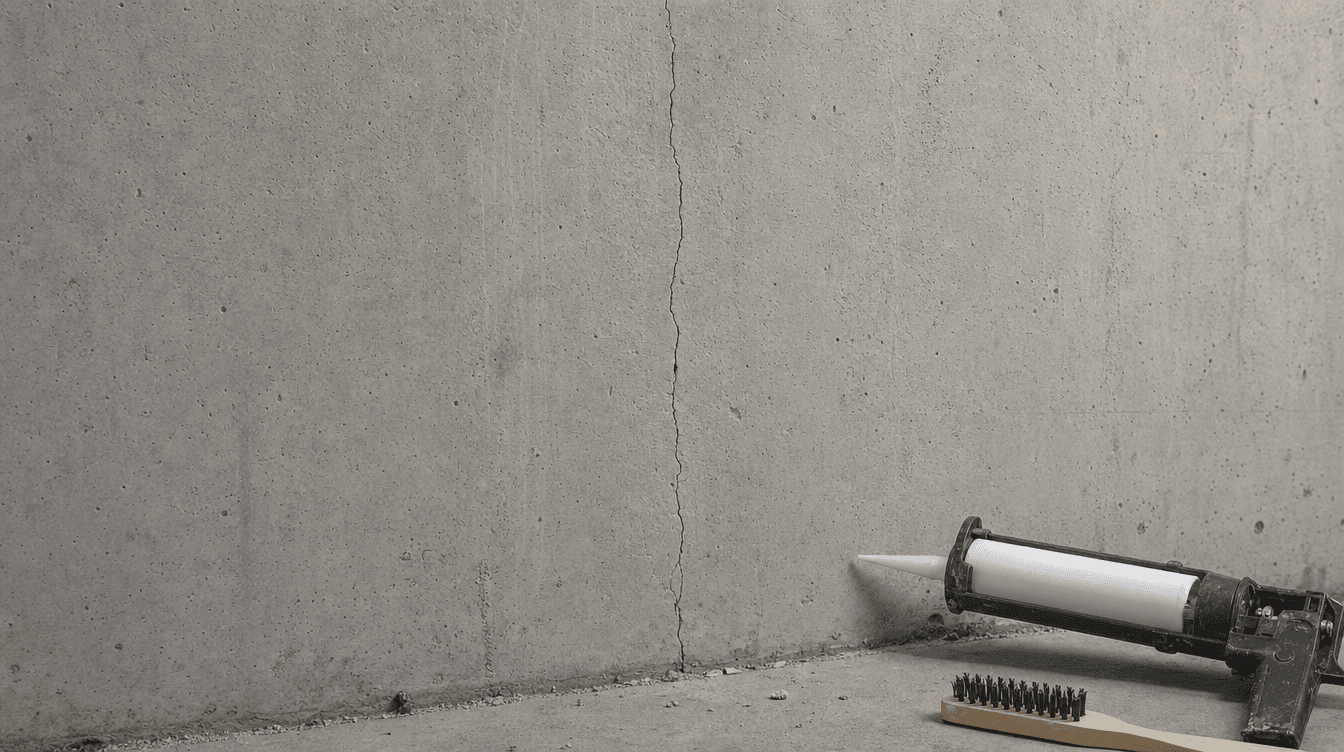
Cracks in the basement concrete — which are normal, which need attention, and why they should be assessed and dealt with before you finish over them.
Almost every basement has some cracks in the concrete, and seeing one can be alarming — but not all cracks mean trouble. What matters is knowing which are normal, which need attention, and why any crack should be looked at before you finish over it. Here's a plain-English guide. (This is general information; a real assessment of your foundation should be done by a professional.)
Why concrete cracks in the first place
Concrete shrinks slightly as it cures and moves a little with temperature and settling. As a result, fine hairline cracks are extremely common and usually harmless — they're the concrete doing what concrete does. The presence of a crack, by itself, isn't automatically a problem.
The cracks that are usually fine
Generally lower-concern cracks include:
- Thin, hairline cracks in the floor slab or wall.
- Vertical cracks that are narrow and stable.
- Old cracks that clearly haven't moved or let water in.
These are common and often just need routine sealing as part of good moisture management.
The cracks that deserve attention
Some cracks are worth a closer look before doing anything else:
- Wide cracks (noticeably more than hairline).
- Horizontal cracks in a foundation wall.
- Cracks that are actively leaking water or show staining.
- Stair-step cracks in block, or cracks that seem to be growing.
These don't necessarily mean disaster, but they should be assessed — sometimes by a structural professional — rather than simply covered up.
Why you deal with it before finishing
Here's the key point: whatever the crack, you address it before the walls and floor are finished. Once drywall and flooring go in, a crack — and any water it lets in — is hidden behind the finish, where it can quietly cause damage and mold. Finishing over an unresolved crack is exactly the kind of mistake that turns into an expensive tear-out later.
How we handle it
Part of confirming a basement is ready to finish is checking the concrete. We assess cracks, deal with sealing and any water issues, and flag anything that needs a structural opinion before we build — so you're finishing over a sound, dry foundation, not a hidden problem.
The takeaway
Most basement cracks are normal; a few need attention — but all of them should be assessed and dealt with before you finish, because a crack behind a finished wall is a crack you can't see. Handling the concrete first is a core part of building a basement that stays dry and sound, as part of a full basement development.
Are cracks in a basement floor or wall normal?
Many are. Concrete shrinks as it cures and moves slightly with temperature and settling, so fine hairline cracks are extremely common and usually harmless. The presence of a crack by itself isn't automatically a problem. What matters is the type: thin, stable, dry cracks are typically low-concern, while wide, horizontal, leaking, or growing cracks deserve a closer look.
Which basement cracks should I worry about?
Ones worth assessing include wide cracks (well beyond hairline), horizontal cracks in a foundation wall, cracks actively leaking water or showing staining, and stair-step cracks in block or any crack that seems to be growing. These don't necessarily mean disaster, but they should be evaluated — sometimes by a structural professional — rather than simply covered up before finishing.
Can you finish a basement with cracks in the concrete?
Not before dealing with them. Whatever the crack, it should be assessed, sealed, and any water issue resolved before the walls and floor are finished — because once drywall and flooring go in, a crack and any water it lets in are hidden behind the finish, where they can quietly cause damage and mold. Confirming a sound, dry foundation first is essential.