
Planning & DIY
How to Prioritize Your Basement Wish List
By Bo Fric · September 25, 2025
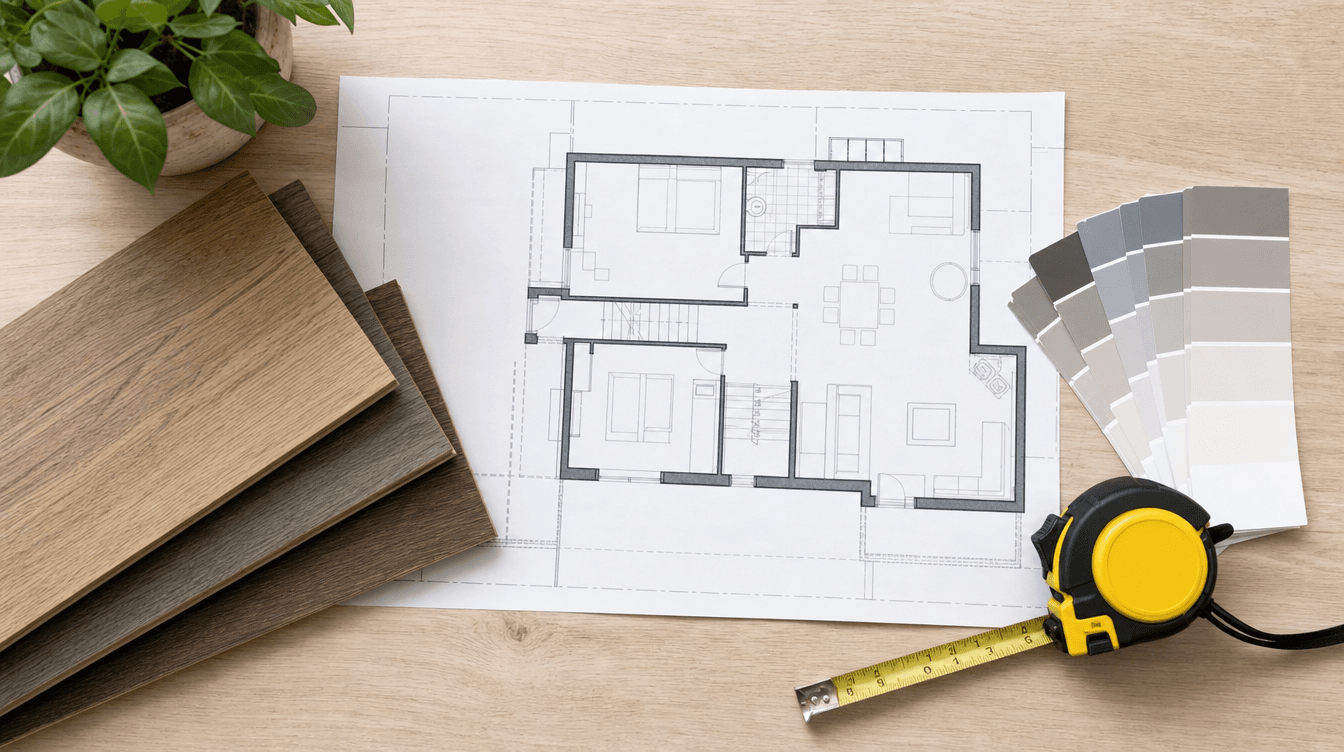
How to prioritize your basement wish list — sorting must-haves from nice-to-haves so your budget lands on what matters most and the space still feels complete.
Most people start a basement project with a wish list a mile long — and that's a good thing. The skill is sorting it, so your budget lands on what genuinely matters and the nice extras don't crowd out the essentials. Here's a simple way to prioritize your basement wish list. (This is general planning guidance; we help you turn a sorted list into a real plan and quote.)
Split the list into three buckets
Start by sorting everything into:
- Must-haves — the reason you're doing this at all (an extra bedroom, a legal suite, a bathroom).
- Should-haves — things that make it markedly better but aren't the whole point.
- Nice-to-haves — the fun extras you'd love if the budget stretches.
Just naming which bucket each item lives in makes the next decisions much easier.
Anchor on the things that are hard to add later
Some choices are far cheaper now than as a retrofit:
- Rough-ins for a future bathroom, bar, or suite — cheap to rough in, expensive to add after.
- Structure and layout — walls, egress, and ceiling decisions you won't want to redo.
- Anything behind the walls — wiring, plumbing, and insulation you'd have to open finished walls to change.
Prioritize the "hard to add later" items even above some must-haves, because they protect your options.
Separate finishes from fundamentals
A useful mental split:
- Fundamentals — layout, rooms, and the systems that make the space work.
- Finishes — flooring, paint, fixtures, and the look, which are easier to choose up or down.
- Spend on fundamentals first; finishes are where you can flex the budget without regret, the basic-vs-high-end lever.
Leave room to flex
Keep the plan realistic:
- Hold a little budget back for the surprises every project has.
- Phase the nice-to-haves — some can wait or be roughed-in for later.
- Bring the sorted list to your builder, who can tell you the real trade-offs and where your money goes furthest, part of a good quote.
The takeaway
Prioritizing a basement wish list comes down to sorting must-haves from nice-to-haves, protecting the things that are hard to add later, spending on fundamentals before finishes, and leaving room to flex. Do that and your budget lands where it counts — the space feels complete and the extras are a bonus, not a compromise. Bring your sorted list to a free quote and we'll help you make the calls.
How do I decide what to include in my basement?
Sort every idea into three buckets — must-haves (the reason you're doing this, like a bedroom, legal suite, or bathroom), should-haves (things that make it markedly better), and nice-to-haves (fun extras if the budget stretches). Then give special priority to anything hard to add later, like rough-ins, structure, and what lives behind the walls. Naming which bucket each item belongs in makes the budget decisions much easier and keeps essentials from being crowded out.
What should I spend my basement budget on first?
Fundamentals before finishes. The layout, rooms, and systems that make the space work — plus anything hard to change later like rough-ins, structure, wiring, and insulation — should come first, because they're expensive or disruptive to add after finished walls are up. Finishes like flooring, paint, and fixtures are where you can flex the budget up or down without regret. Spending on fundamentals first protects your options and the space's function.
Should I rough in for things I might add later?
Often yes — rough-ins for a future bathroom, bar, or suite are cheap to do during the build and expensive to add afterward, because retrofitting means opening up finished walls. The same goes for structural and layout decisions you won't want to redo. Prioritizing these "hard to add later" items, even above some must-haves, keeps your future options open at a fraction of the later cost. A builder can point out which ones matter for your plans.